Published on
Category
AI Ecosystems & Adoption Strategy
Welcome back to Cutting Edge News!
Last week, we discussed the rise of “Agents.” This week, the theme is Consolidation.
The era of jumping between different AI tools is ending. The competition between OpenAI and Google is heating up and the battle lines are being drawn. The biggest players are no longer just competing on intelligence; they are competing on ecosystems.
THIS WEEK’S LINEUP
ChatGPT 5.2 + Adobe: OpenAI’s Garlic model arrives to counter Gemini while adding Adobe to its tools.
Google’s Ecosystem: A massive upgrade to Deep Research, Disco, and Project Aura.
Disney x OpenAI: A $1B deal that legally brings Mickey Mouse and Darth Vader to AI video creation.
Rapid Fire: The Pentagon’s move on superintelligence , Cursor’s visual coding, and more…
Let’s get started.
GPT 5.2 + Adobe: End of Fragmented Tools and Workflows
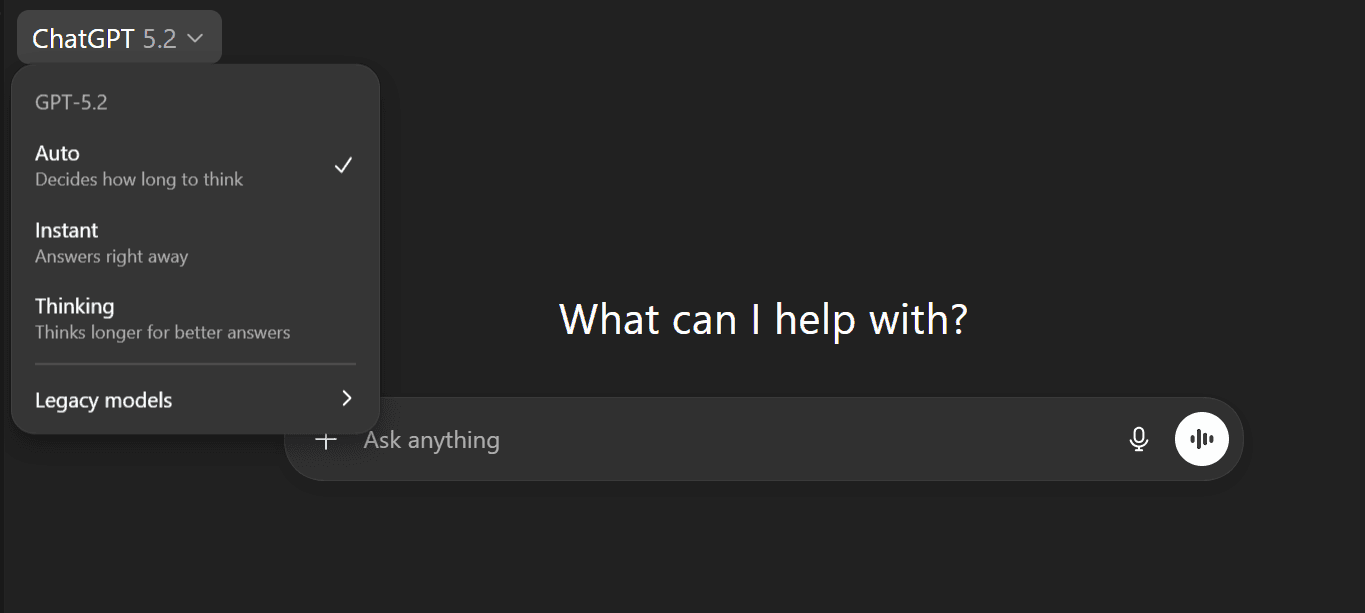
OpenAI has officially launched GPT 5.2 models. This rollout comes just weeks after a leaked internal memo suggested the AI giant was slipping behind Google’s Gemini family of models, which essentially triggered the code red.
Code Red: An internal OpenAI alert issued in Dec 2025, pausing ads and diverting all resources to core product upgrades to immediately counter the threat from Google’s Gemini.
Internally referred to as Garlic, the model was reportedly shipped to provide an immediate counter response to Gemini 3, despite staff recommendations to delay for further polishing. It is expected that there will be an upcoming GPT 5.5, acting as the second version of the Garlic model soon.
What are the updates?
The Tiers: The new series is divided into three distinct levels: Instant (for rapid responses), Thinking (for complex reasoning chains), and Pro (for maximum precision on difficult tasks).
The Benchmarks: GPT 5.2 boasts significant improvements over version 5.1 in areas such as coding, vision, tool usage, and reduced hallucination rates.
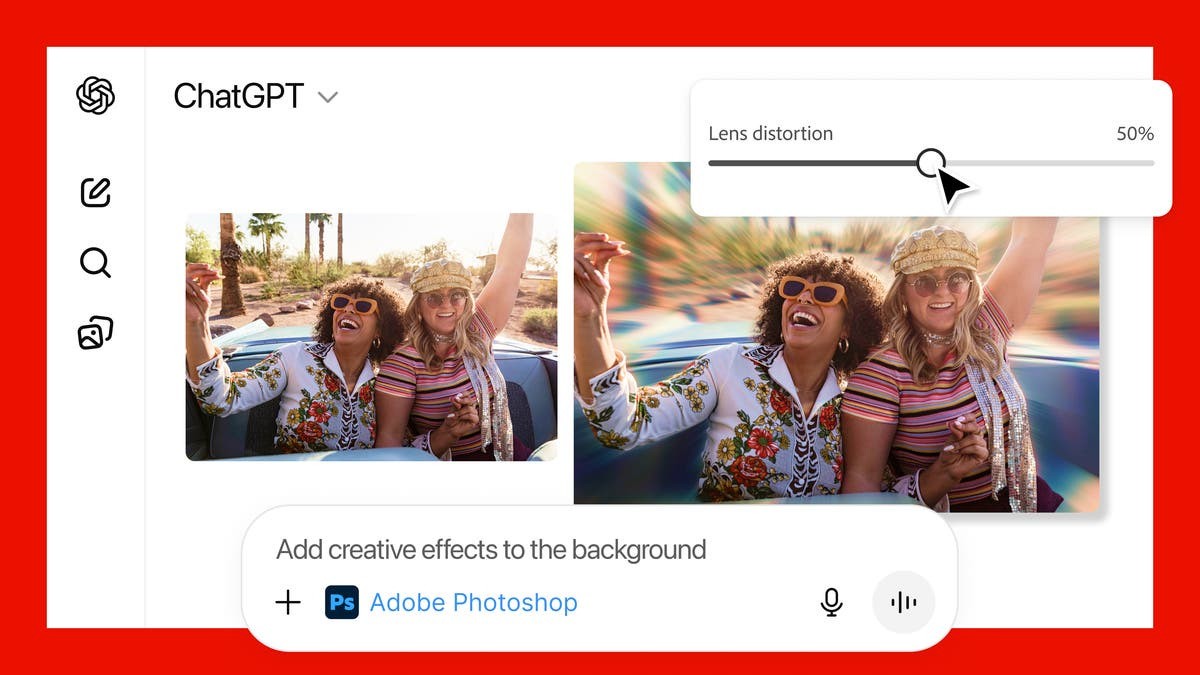
Adobe Integration: In a major integration move, OpenAI has built Adobe Photoshop, Express, and Acrobat directly into the ChatGPT interface. Users can now execute tasks like “remove the background” or “fix the lighting” on uploaded images via text prompts, without ever leaving the chat.
Google’s Moves: Research, Browsing & Hardware
Google released major updates targeting how we gather information, how we browse, and how we view the world.
1. Gemini Deep Research Agent: Google has launched a significantly enhanced version of its Deep Research agent. While currently accessible to developers through the new Interactions API, the feature is slated for a broader consumer rollout across Search, NotebookLM, and the Gemini app in the near future.
How it works: Powered by the new Gemini 3 Pro architecture, the agent operates through an iterative loop. It plans research strategies, analyzes search results, identifies missing information, and refines its queries repeatedly until it constructs a comprehensive answer
Why it matters: The deep research space is becoming increasingly crowded, but this update effectively capitalizes on the momentum of the powerful Gemini 3 releases. The real game changer here is the Interactions API.
For the first time, developers can integrate this research layer directly into third party applications, expanding its utility far beyond Google’s own ecosystem.
2. Google Disco: Google is reimagining the browser with Disco, an experimental tool that turns your open tabs into functional apps. GenTabs, Its standout feature uses Gemini to organize your chaotic browsing history into a dashboard, automatically grouping related information so you don’t get lost in a sea of tabs.
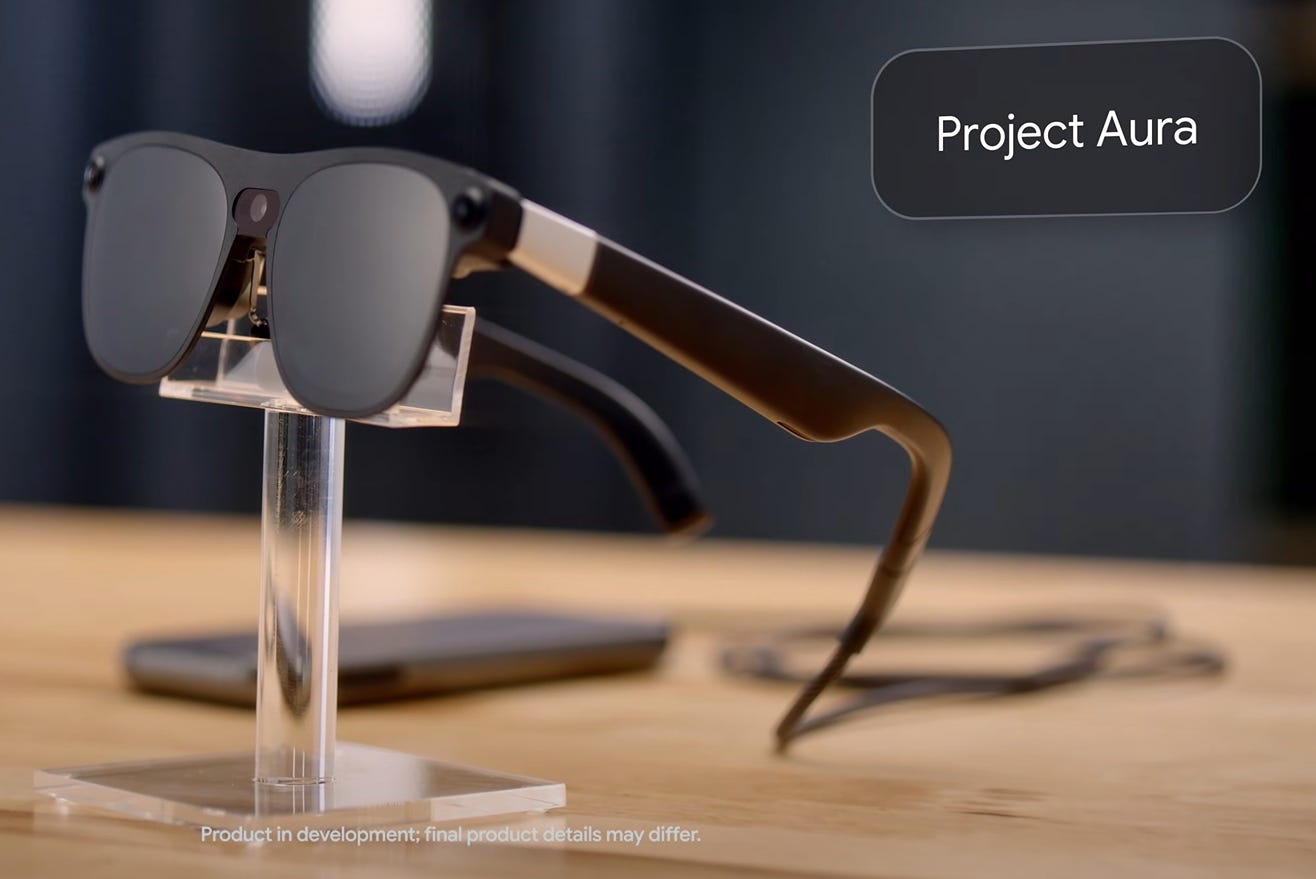
3. Project Aura: Google revealed its next generation smart glasses, featuring a heads up display powered by Gemini. Arriving in 2026, these smart glasses aim to fix the biggest problem in mixed reality: a lack of apps. By running on Android XR, they natively support existing Android software and even work with Google services on iPhones. It’s a strategy to challenge Apple by creating a shared software foundation that works across different devices, rather than a walled garden.
Walled Garden: a controlled digital ecosystem where a company restricts user access to specific apps, content, and services, like Apple’s iOS or Amazon’s ecosystem, controlling data flow and limiting interoperability with outside platforms for a curated, often more secure, but less open experience.
Disney Invests $1B in OpenAI: Investment & A Legal Moat
The war between Hollywood and AI just ended with a handshake. Disney has invested $1 billion in OpenAI. Disney is licensing over 200 iconic characters to be used specifically within OpenAI’s Sora video generation tool.
The Deal
This partnership allows fans to officially incorporate legendary IP characters like Mickey Mouse, Darth Vader, and the Avengers, into AI-generated videos. The best of these fan creations might even find a home streaming on Disney+.
The deal explicitly bans Human actors likenesses and voices, to avoid the copyright battles.
Why it matters For a long time, studios viewed AI as a threat to copyright. This deal flips that narrative. Disney is essentially saying that the future of storytelling involves AI, and they want to own the platform where it happens.
What you should do: If you work in media, stop resisting and labeling AI tools as unethical or risky. If Disney is using them, the industry standard has shifted. Learn to direct the model, or be replaced by the studio that does.
Rapid Fire: The Week’s Other Updates
The Pentagon’s AGI Mandate: The 2026 US Defense Bill officially orders the Pentagon to prepare for Superintelligent AI. This shifts AI from being viewed as just a software tool to a top tier national security priority.
Runway GWM-1: Runway introduced GWM 1, a General World Model capable of simulating interactive environments rather than just generating static video. It allows for real-time interaction, meaning you can “move” the camera inside the generated video. This is a big move towards robotics and Physical AI.
Cursor Visual Editor: Cursor released a Visual Editor that allows you to edit a web app’s UI via drag and drop. The agents then convert those visual edits into real, clean code, further reducing the barriers of creating apps.
Claude code on Android: Anthropic updated the Claude Android app to support file creating and editing, along with Claude Code capabilities that allow for improved model switching (toggling between Opus and Sonnet for different tasks).
Microsoft’s $17.5B Indian Investment: Satya Nadella announced a massive $17.5 billion investment in Indian AI infrastructure across 4 years and demoed “Deep R”, a reasoning engine where models debate each other to reach the best answer, showcased live on his personal cricket app.
n8n 2.0: The workflow automation tool released version 2.0, focusing on enterprise grade security, migration reporting, and a new Publish button to prevent breaking live workflows.
Mistral Devstral 2: Mistral released a new open-source coding model, Devstral 2, optimized for agentic workflows and available in two sizes (123B and 24B).
Google adds live translation to headphones using its Gemini 2.5 Flash Native Audio, soon to be available on Gemini Live app.
Final Thought
If you look closely at this week’s updates, Adobe entering ChatGPT, Google turning numerous tabs into unified apps, and Cursor blending design with code, you’ll notice a massive shift in how we work.
For the last two years, using AI meant fragmentation. You went to Midjourney for images, Claude for coding, Perplexity for research, and ChatGPT for writing. Your brain was constantly context switching, jumping between different tabs and interfaces. That friction is what kills the flow.
We are now entering the Era of Integration.
The tools are coming to the chat. The operating system isn’t Windows or macOS anymore; the prompt box is the new OS.
What does this mean for your career?
It means being a specialist in a specific tool is becoming less valuable.
Old Skill: Knowing how to navigate complex menus.
New Skill: Knowing how to articulate a precise vision in plain English.
The winners of 2026 won’t be the ones who know the most tools. The winners will be the ones who can stay in one ecosystem (like Google or OpenAI) and orchestrate an entire workflow: research, design, and code, without ever breaking their train of thought.
Your goal this week: Stop hunting for the “next" new tool. Pick one ecosystem. Go deep. Master the bundle as a whole and the ways you can create value from it. Focus on learning in depth as much as you can.
Stay sharp,
The Cutting Edge Team